Hebe Silver Dollar - The Secret Beauty of Your Garden
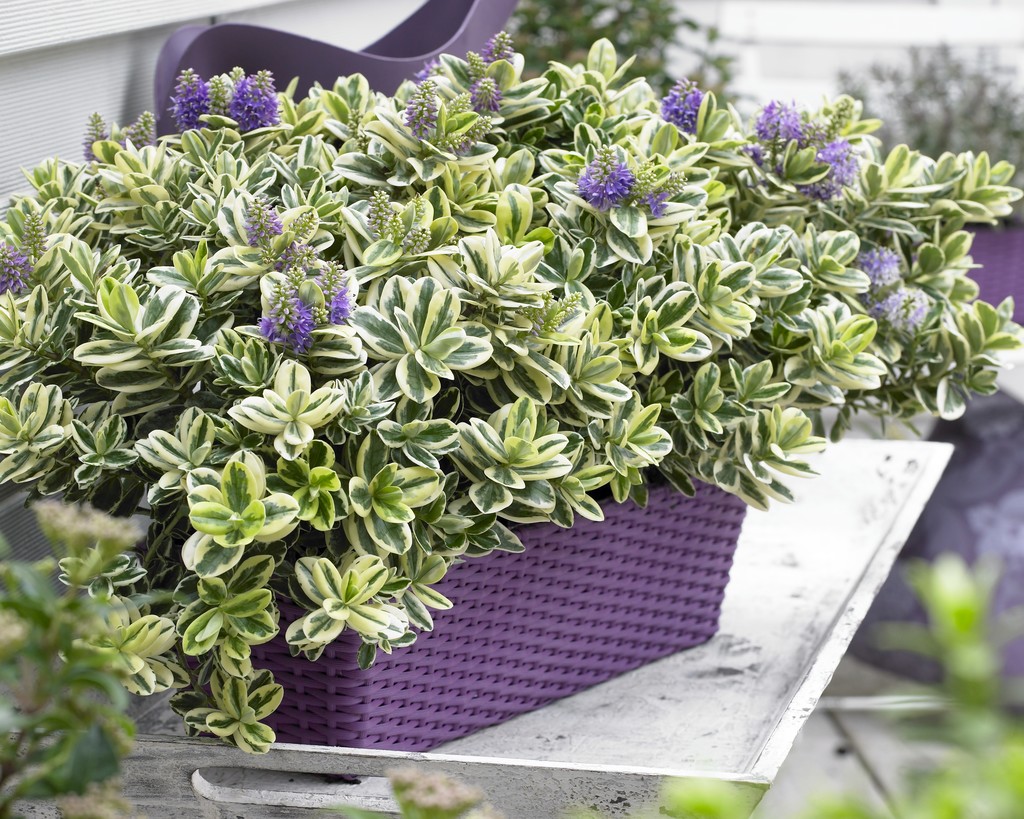
Are you searching for a plant that is easy to grow, requires low maintenance, and yet adds an impressive look to your garden? Look no further than the Hebe Silver Dollar! This evergreen shrub is native to New Zealand and is gaining popularity around the world due to its unique silver-green foliage and stunning purple flowers.
In this blog post, we will take a deep dive into everything you need to know about Hebe Silver Dollar. We will discuss its origins, growing conditions, care requirements, and much more!
Origin and Background
Hebe Silver Dollar, also known as Hebe pinguifolia, is a slow-growing evergreen shrub that can grow up to 3 feet tall and wide. It is native to New Zealand, where it grows wild in rocky areas and along the coast. The name "Hebe" comes from Greek mythology, where it was the goddess of youth, and the plant's young growth and vibrant colors represent this youthful spirit.
Growing Conditions
Hebe Silver Dollar is a hardy plant that can adapt to a variety of growing conditions but thrives in well-drained soil, full sunlight, and moderate watering. It can withstand temperatures as low as 10°F and as high as 90°F, making it suitable for most climates.
It is important to note that Hebe Silver Dollar does not do well in wet or poorly drained soils, so make sure to plant it in an area with good drainage. Additionally, it is susceptible to root rot, so avoid overwatering and allow the soil to dry out slightly between waterings.
Propagation
Hebe Silver Dollar can be propagated through seeds, cuttings, or layering. However, propagation through cuttings is the easiest and most effective method. Simply take a cutting from a healthy plant in the spring or fall, dip it in rooting hormone powder, and plant it in a well-draining potting mix. Keep it moist and warm, and it should root within a few weeks.
Pruning
Pruning Hebe Silver Dollar is not necessary, but it can help maintain its shape and encourage new growth. The best time to prune is in the early spring before new growth appears. Remove any dead, damaged, or diseased branches, as well as any crossing or rubbing branches.
Pests and Diseases
Hebe Silver Dollar is relatively pest and disease-free, but it can be susceptible to some common garden pests such as aphids, mealybugs, and spider mites. Regularly inspect the plant for any signs of infestation and treat with insecticidal soap or neem oil if necessary.
Additionally, Hebe Silver Dollar can develop fungal diseases such as powdery mildew, which can be caused by overwatering or poor air circulation. To prevent this, water the plant at the base, avoid overhead watering, and provide adequate spacing between plants.
Companion Plants
Hebe Silver Dollar pairs well with a variety of companion plants, including lavender, rosemary, and salvia. These plants share similar growing conditions and add a beautiful contrast of colors and textures to your garden.
Unique Uses
Aside from its ornamental value, Hebe Silver Dollar has some unique uses. In New Zealand, the plant is traditionally used for medicinal purposes, particularly for its anti-inflammatory and analgesic properties. Additionally, the plant's leaves are sometimes used in cooking as a substitute for bay leaves.
Frequently Asked Questions
Q1. Is Hebe Silver Dollar poisonous to pets?
A1. Yes, Hebe Silver Dollar can be toxic to cats and dogs if ingested. Make sure to keep the plant out of reach of pets and children.
Q2. How often should I fertilize Hebe Silver Dollar?
A2. Hebe Silver Dollar does not require frequent fertilization and can thrive without it. However, if you choose to fertilize, do so once a year in the spring with a balanced fertilizer.
Q3. Can Hebe Silver Dollar grow indoors?
A3. Hebe Silver Dollar prefers full sunlight and well-draining soil, making it difficult to grow indoors. It is best suited for outdoor gardens.
Q4. What is the best time to plant Hebe Silver Dollar?
A4. The best time to plant Hebe Silver Dollar is in the early spring or fall when temperatures are mild, and the soil is moist.
Q5. Does Hebe Silver Dollar attract bees and butterflies?
A5. Yes, Hebe Silver Dollar is a great plant to attract bees and butterflies to your garden due to its purple flowers.
Q6. How tall and wide can Hebe Silver Dollar grow?
A6. Hebe Silver Dollar can grow up to 3 feet tall and wide, depending on growing conditions and pruning.
Q7. How often should I water Hebe Silver Dollar?
A7. Water Hebe Silver Dollar moderately, allowing the soil to dry out slightly between waterings. Avoid overwatering, as it can lead to root rot.
Q8. Can I grow Hebe Silver Dollar in a container?
A8. Yes, Hebe Silver Dollar can be grown in a container as long as it has adequate drainage and enough space for its roots to grow.
Q9. How do I propagate Hebe Silver Dollar?
A9. Hebe Silver Dollar can be propagated through seeds, cuttings, or layering. Cuttings are the easiest and most effective method.
Q10. Is Hebe Silver Dollar deer-resistant?
A10. Yes, Hebe Silver Dollar is deer-resistant, making it a great choice for gardens with deer problems.
Hebe Silver Dollar is a stunning and unique plant that adds beauty and color to any garden. With its silver-green foliage and purple flowers, it is sure to turn heads and impress your visitors. It is easy to grow, requires low maintenance, and has some unique uses, making it a versatile addition to your garden.
So why not give Hebe Silver Dollar a try? You won't be disappointed with the results!
15 Hebe silver dollar Images

Pin On RQP Studio Wax Seal Necklaces In Silver

Pin On Jewelry

Pin On Delph Fenceline

225 Best Images About SHRUBS On Pinterest

Pin By Private Individual On LANDSCAPE COMPANION TO MARGE MILLER

Pin On Magnificient Silver Artifacts That You Yearn For

Locket Inspired By A Salt Shaker Made With Sterling Silver And Fine

Pin On Top Garden Design

Pin On Terracing Garden

Availability At TL Nursery Drought Tolerant Plant Care Drought

16 Best Hebe HOT Images On Pinterest Backyard Ideas Garden

Pin On Next Years Garden

Pin On Gardening

ENewsletter March 2015 Perennials Plant Information Garden Center
Pin On Florida Garden
Post a Comment for "Hebe Silver Dollar - The Secret Beauty of Your Garden"